BEE CONSULTANT

Carbon Market & Climate Compliance Services


Convert sustainability efforts into measurable business value.

Climate change is no longer a distant environmental concern — it has become a financial, legal, and operational reality for industries, manufacturers, exporters, infrastructure developers, and service organizations. Governments across the world are shifting from voluntary environmental commitments to measurable, reportable, and tradeable emission reductions.

India is rapidly moving toward a structured carbon economy where emissions are not only monitored but assigned measurable value. Organizations that reduce emissions earn tradable carbon credits, while those exceeding limits must compensate through carbon markets.

FOREST

Sustainability Certification & Environmental Standards

Carbon Registry

Carbon Registry

Carbon accounting has become an essential component of environmental compliance. A structured registry framework ensures emission reduction projects are properly designed, documented, and verified before environmental credits are issued. A properly managed carbon registry transforms sustainability initiatives into measurable environmental assets while maintaining credibility and accountability in climate action.
Trees Outside Forest

Trees Outside Forest

ToF refers to vegetation growing beyond officially notified forest boundaries. These include plantations on agricultural lands, farm boundaries, urban green belts, roadside plantations, canal banks, institutional campuses, and community lands. Although not classified as forests, these green resources play a major role in ecological balance and climate regulation. It contributes significantly to carbon absorption, soil protection, groundwater conservation, and biodiversity support.

Forest Management

Forest Management

Sustainable forest management ensures that natural forests are utilized responsibly while preserving their ecological value for future generations. Certification frameworks developed for India consider local biodiversity, traditional community dependence, climatic conditions, and legal forestry practices. These standards combine conservation principles with regulated resource use so that forests remain productive without environmental degradation. .
Non-Wood Forest Products

Non-Wood Forest Products

Forests provide far more than timber. A wide range of natural resources such as medicinal herbs, resins, gums, honey, bamboo, leaves, fibers, fruits, seeds, and natural oils are collectively known as Non-Wood Forest Products (NWFP). These resources support rural livelihoods, traditional medicine, food processing, handicrafts, cosmetics, and herbal industries across the country.

Protected Areas & Wetlands

Protected Areas & Wetlands

Protected areas and wetlands are among the most sensitive ecological zones, supporting rich biodiversity, regulating water cycles, and maintaining climate balance. These regions include wildlife habitats, marshlands, lakes, river floodplains, mangroves, and other natural ecosystems that play a vital role in sustaining environmental stability. Any developmental or commercial activity near such areas requires careful assessment .
Quality Planting Material

Quality Planting Material

The success of any plantation, agro-forestry project, or green development initiative begins with reliable planting material. Seeds, saplings, and vegetative stock must be genetically authentic, healthy, and suitable for the local climate to ensure proper growth and long-term productivity. Poor-quality planting material can lead to low survival rates, disease spread, and financial loss, making verification an essential step before large-scale cultivation.
Eco-Tourism

Eco-Tourism

Eco-tourism focuses on experiencing natural environments while protecting them. Unlike conventional tourism, it emphasizes conservation, responsible visitor behavior, and benefits to local communities. Destinations such as forests, mountains, wetlands, coastal regions, and wildlife habitats require structured management so that tourism activities do not disturb fragile ecosystems.
Bio Fuel & Bio Mass

Bio Fuel & Bio Mass

Bio-fuel and biomass energy are emerging as cleaner alternatives to conventional fossil fuels. They are produced from organic materials such as agricultural residue, crop waste, forestry by-products, animal waste, and other biodegradable resources. When managed responsibly, these energy sources help reduce greenhouse gas emissions while promoting circular use of natural resources.
Safeboards

Safeboards

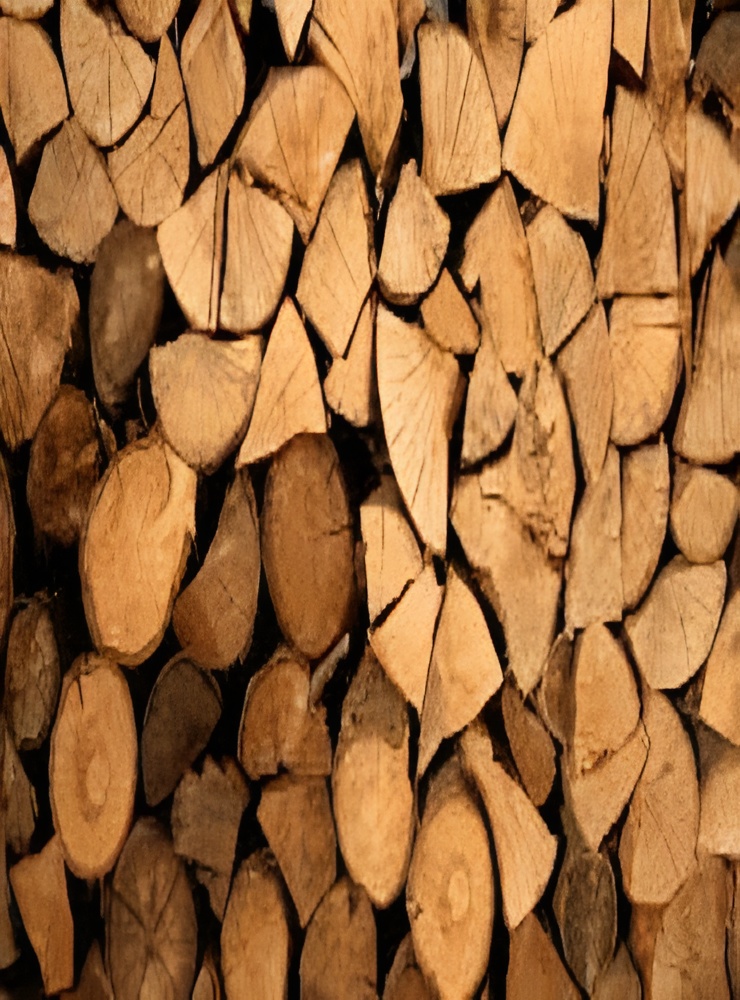
Safeboards refer to environmentally responsible composite wood and engineered panel products designed to be safer for both users and the environment. These materials are widely used in furniture, interior construction, flooring, partitions, and decorative applications.The certification verifies that wood particles originate from legal and responsible sources, including plantations, recycled material, or verified supply chains. .

Why Choose Council of Compliances

Technical Expertise

End-to-End Handling

Revenue-Focused Strategy

Climate, regulatory, and certification professionals under one roof

No multiple agencies — one complete solution partner

We design projects that maximize credit yield

consultant
Contact us to register your project and become part of India’s growing carbon market ecosystem.

Join the Climate Transition

Sustainability is no longer optional — it is an economic opportunity. Organizations adopting low-carbon practices today will lead tomorrow’s markets. Whether you are an industrial manufacturer, infrastructure developer, renewable energy company, or agricultural enterprise, you can participate in the carbon economy. Our platform simplifies your journey from emission reduction to verified climate contribution and tradable carbon assets.

Start your carbon compliance today

Transform environmental responsibility into measurable value. Build credibility, meet regulations, and unlock new revenue streams — all while contributing to a greener future.